For decades, the landscape of superhero media was a monolithic structure. It was primarily designed by men, for men, and featured a narrow definition of heroism that often left young girls on the sidelines as sidekicks or “damsels in distress.” However, the emergence of the DC Super Hero Girls franchise marked a seismic shift in how traditional media operates. It wasn’t just a new show; it was a manifesto for a new generation of creators and consumers.
By analyzing the contrast between DC Super Hero Girls and traditional superhero media, we can see a profound evolution in how entertainment empowers young creators—especially girls—to see themselves not just as fans, but as the architects of their own narratives.
1. Shattering the “Pink Aisle” Stereotype
Traditional media often fell into the trap of gendered marketing. “Action” was for boys; “Relatability and Fashion” were for girls. This binary created a barrier for young creators who wanted to tell stories that combined strength with emotional intelligence.
Traditional Media: Female characters like Wonder Woman or Batgirl were often sexualized or portrayed through a “male gaze,” making them feel distant or unattainable to young girls.
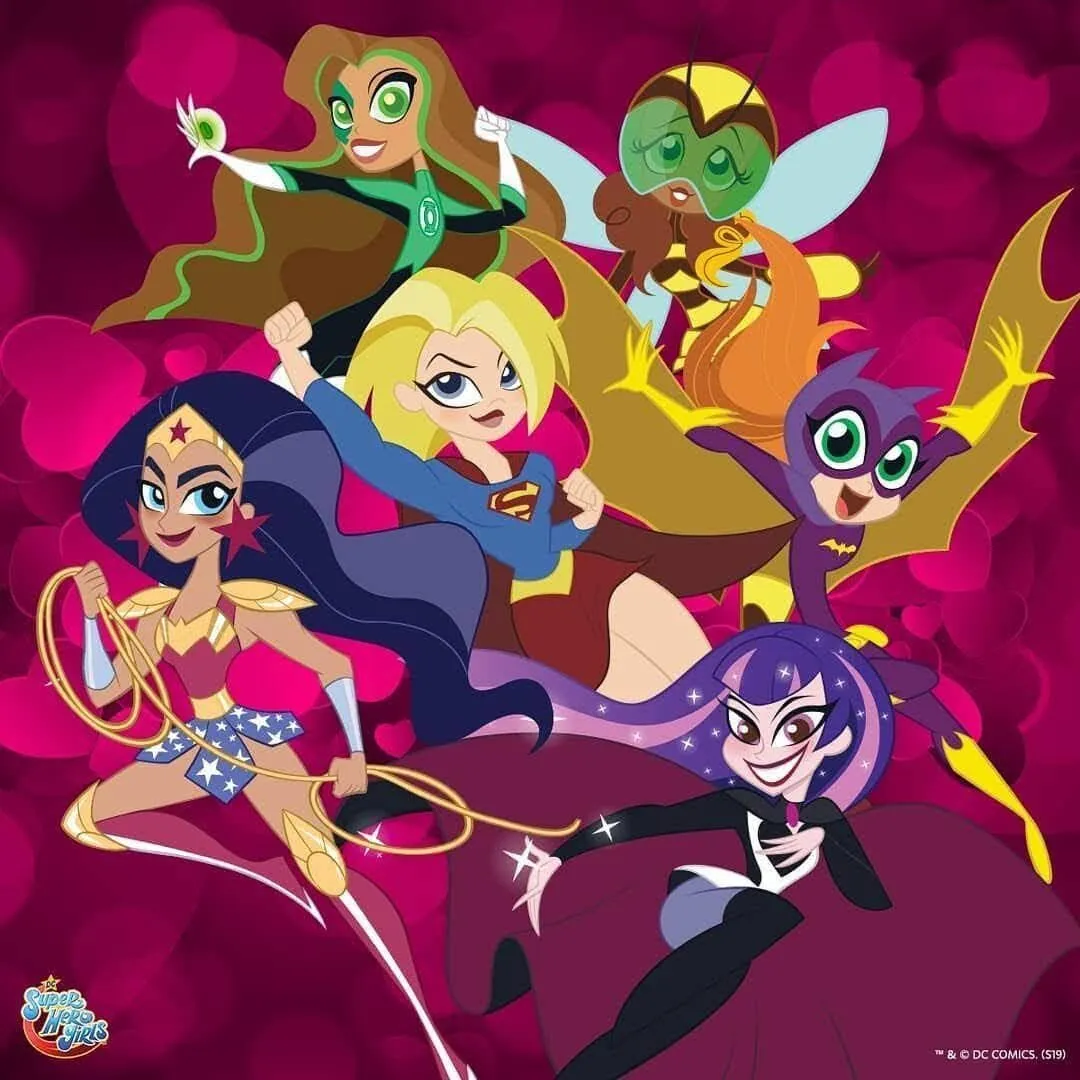
DC Super Hero Girls Reality: The franchise reimagined iconic characters as teenagers in high school. It stripped away the hyper-sexualization and replaced it with relatability. By focusing on the “awkward years,” it showed that being a hero isn’t about being perfect; it’s about managing homework, friendships, and superpowers simultaneously.
The Shift: This shift empowered young creators to realize that heroism is multifaceted. You can be a “tech-geek” like Batgirl, a “leader” like Wonder Woman, or “emotionally complex” like Raven, all without losing your power.
2. From Passive Consumption to Active Creation
Traditional media was a one-way street: the studio produced, and the audience consumed. DC Super Hero Girls utilized a multi-platform approach (YouTube shorts, graphic novels, webisodes, and toys) that encouraged active participation.
The Power of the Webisode: By releasing short, digestible content on YouTube, DC lowered the barrier to entry. Young creators saw that stories didn’t always need a multi-million dollar movie budget; they could be told through short-form animation and digital art.
DIY Heroism: The franchise leaned heavily into the “maker” culture. Whether it was Bumblebee building her own tech or Wonder Woman crafting her gear, the narrative consistently rewarded inventiveness.
3. Diversity as a Creative Catalyst
One of the biggest failures of traditional superhero media was its lack of intersectionality. For a long time, the “default” hero was a white male.
Representation Matters: DC Super Hero Girls introduced a vibrant, diverse cast from the start. Seeing characters like Bumblebee (Karen Beecher) as a genius scientist or Jessica Cruz dealing with anxiety while wielding a Green Lantern ring provided a mirror for children of all backgrounds.
Empowering New Voices: When a young creator sees a character that looks or feels like them, it triggers a “Permission to Create.” It removes the internal voice that says, “This story isn’t for me.” This inclusivity has paved the way for a new wave of diverse writers and artists in the comic book industry.
4. Emotional Intelligence: The New Superpower
Traditional media often equated power with physical violence. The resolution of a conflict was almost always a “big fight.”
The “Soft” Skills: DC Super Hero Girls revolutionized the “conflict resolution” trope. While there is plenty of action, many episodes revolve around empathy, teamwork, and communication.
Vulnerability as Strength: The show portrays characters struggling with insecurities, mistakes, and social anxiety. In the world of modern creation, this is a vital lesson: authenticity is more engaging than invincibility. Young creators are now more likely to write characters with “flaws” because they’ve seen that flaws make a hero more interesting.
5. Comparative Analysis: Traditional vs. Modern Empowerment
| Feature | Traditional Superhero Media | DC Super Hero Girls Era |
| Primary Goal | Power Fantasy / Toy Sales | Empowerment / Skill Building |
| Character Focus | Invincibility and Perfection | Growth and Relatability |
| Audience Role | Passive Spectator | Potential Creator / Storyteller |
| Conflict Resolution | Physical Strength | Emotional Intelligence & Collaboration |
| Marketing | Gender-Segregated | Inclusive and Skill-Oriented |
6. The Legacy: A New Generation of “Super” Creators
The impact of this shift is visible in the creative industries today. We are seeing a surge in young women entering animation, game design, and comic book writing. They are the “DC Super Hero Girls generation.”
These creators are not interested in the “damsel” tropes of the past. They are building worlds where:
STEM is Cool: Science and technology are portrayed as accessible tools for everyone.
Sisterhood Trumps Rivalry: Instead of “fighting for the spotlight,” female characters work in synergy—a lesson in professional collaboration for the 2026 workforce.
Mental Health is Acknowledged: Managing the “internal cape” is just as important as fighting the external villain.
Conclusion: The Future of Empowerment
The transition from traditional media to the inclusive, relatable world of DC Super Hero Girls represents a vital turning point in pop culture. It proved that you don’t need to choose between being “girly” and being “powerful,” and it taught a generation of children that their unique voices are their greatest superpowers.
As we look toward the future of media in 2026 and beyond, the blueprint laid out by these characters continues to inspire. The real “DC Super Hero Girls” aren’t just on the screen; they are the young writers, artists, and innovators who are currently sketching their own capes and writing their own legends.